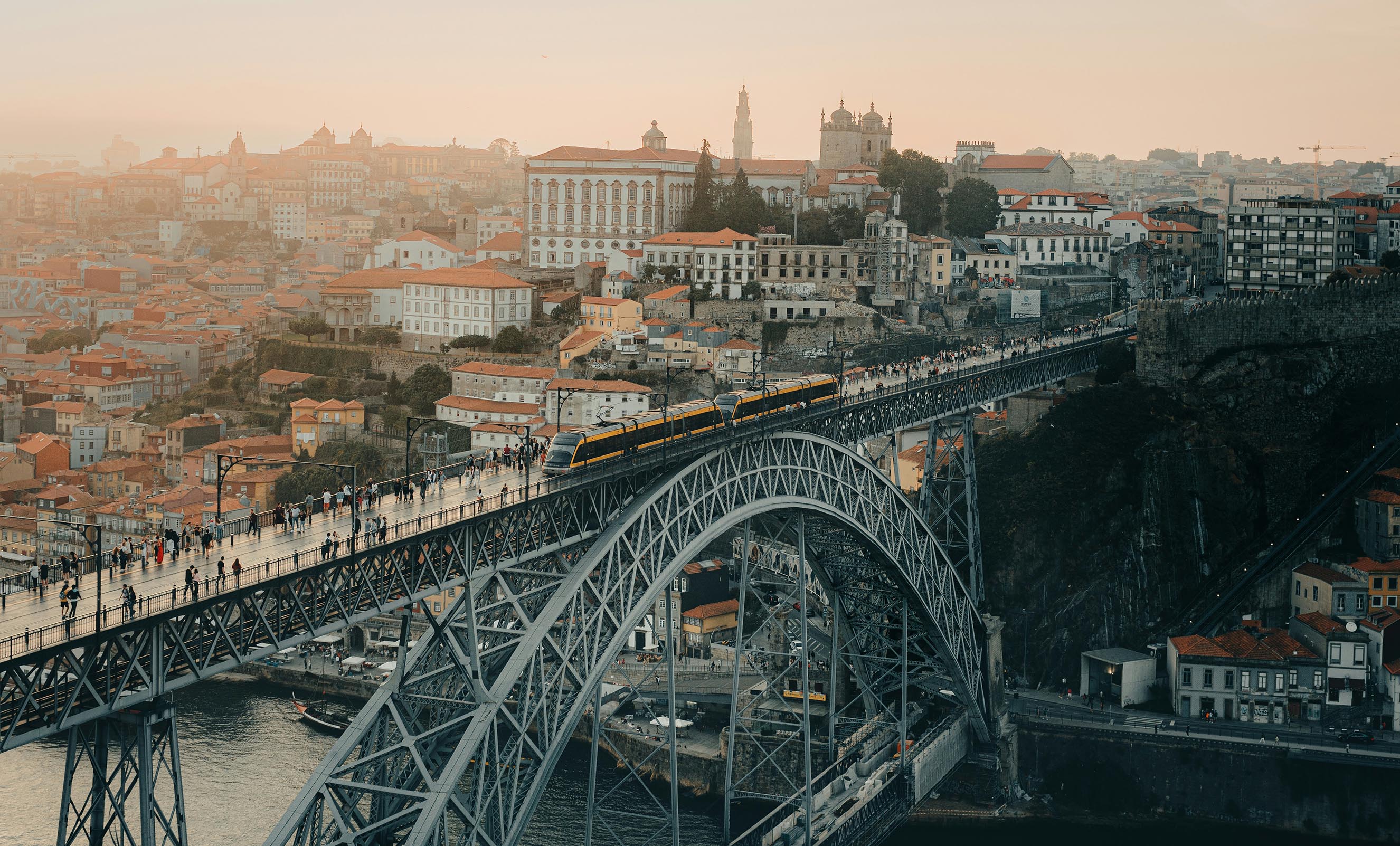
When you see “Made in Portugal” on a product, what does it really mean? Is it just a label, or does it carry a deeper significance? The answer for us is yes, it absolutely means more than just where the product is finished – it represents our identity, the history of a whole industry, and the talented people who put our products together.
This is sadly not always the case, as it is often possible to place a “Made in Portugal” label on products that have merely been finished in Portugal, even if the bulk of the production was made elsewhere.
The footwear industry is, fortunately, a strong example of truly made-in-Portugal products. While this can mean a higher cost for the consumer, choosing local production over fast fashion is an investment in quality, durability, fair working conditions, and local economic growth.
A Legacy of Handcrafting: Centuries of Expertise
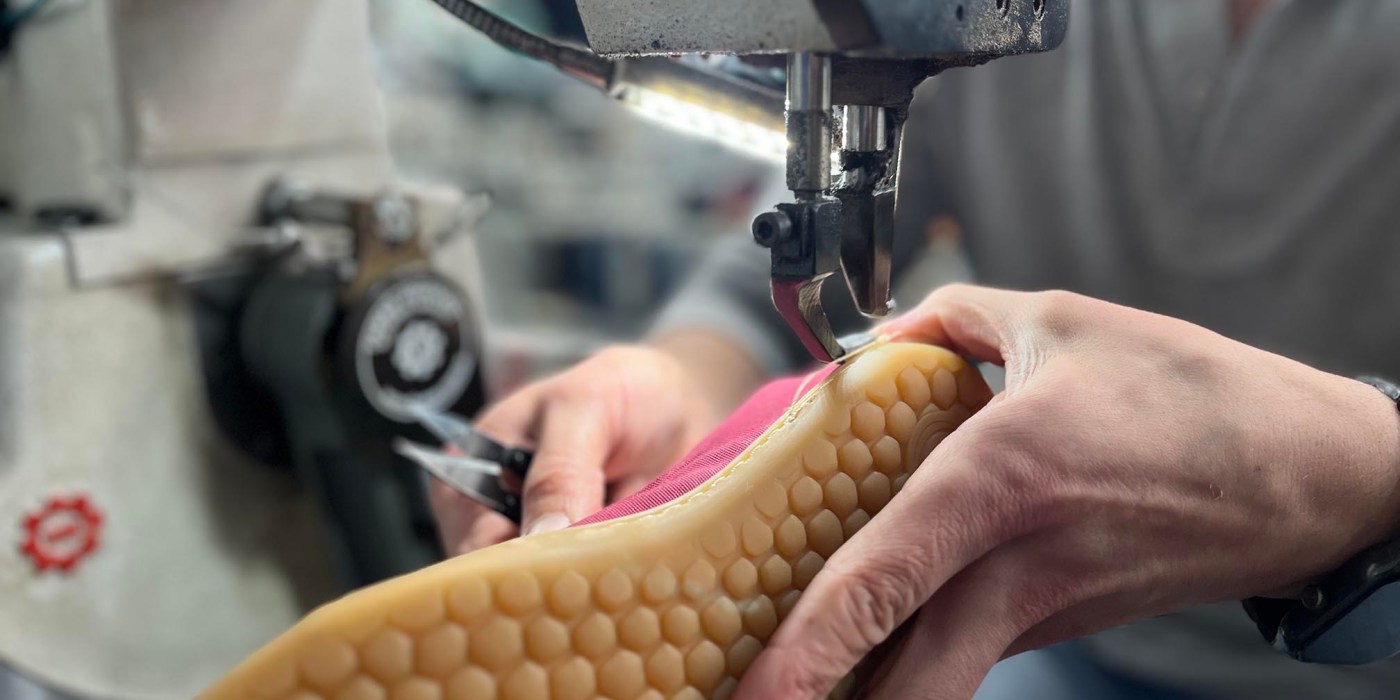
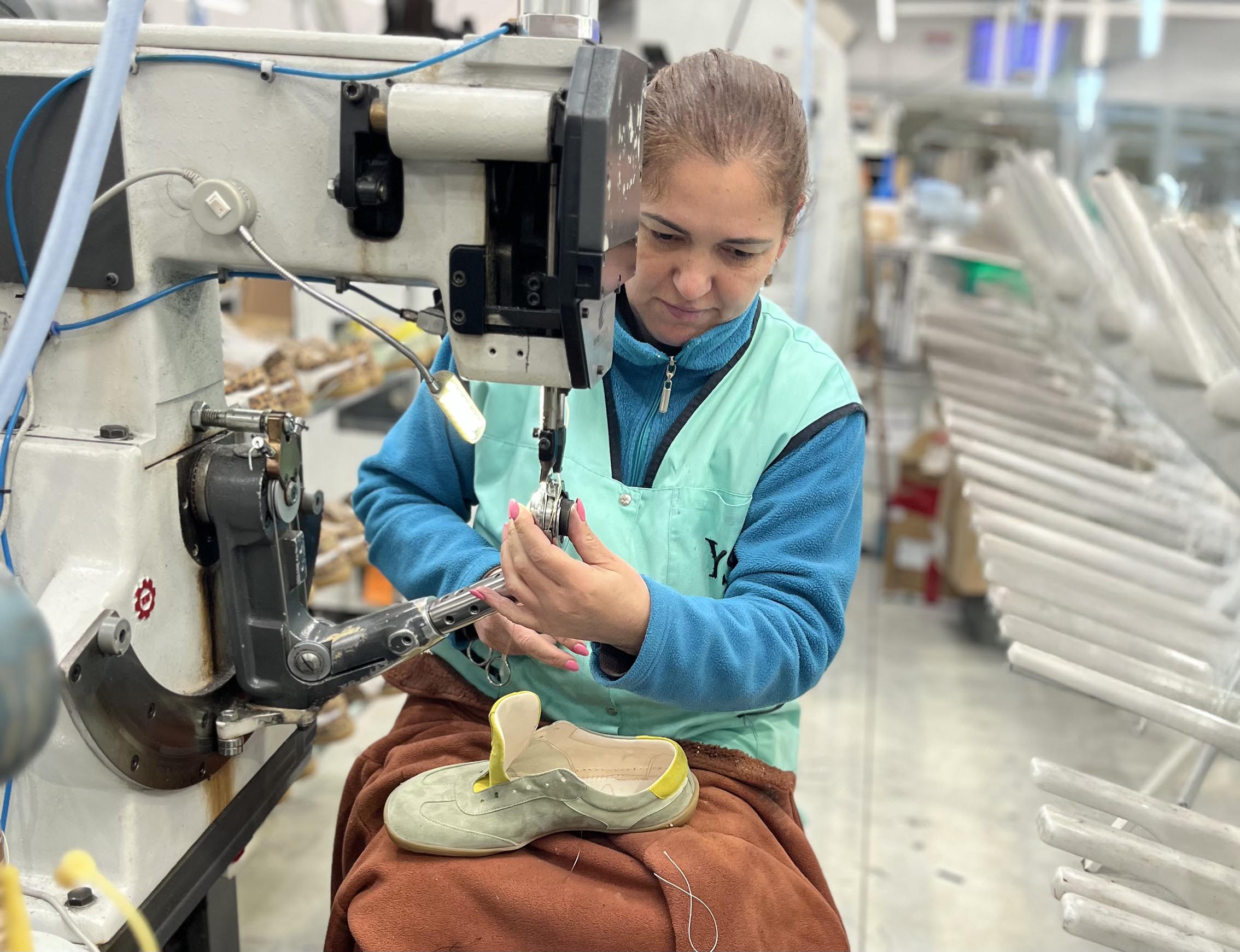
Portugal has a long tradition of high-quality handcrafting, especially in the footwear and textile industries. Skilled artisans pass down their knowledge through generations, ensuring exceptional craftsmanship that machines alone can’t replicate. Unlike mass-produced items, our barefoot shoes involve meticulous hand-finishing, attention to detail, and quality control that guarantees durability and comfort.
They aren’t just assembled on an assembly line but rather crafted with care, precision, and respect for materials by real people who have often been in this industry for quite some time or have grown with it for generations. This commitment to quality results in products that last longer and feel better, while supporting a culture of skilled labor that has existed for centuries.
Fair Production: The True Cost of Ethical Manufacturing
The decision to make all our shoes entirely in Portugal isn’t just about quality – it’s also about ethics. Portugal has some of the strongest labor protections in Europe, ensuring that workers are treated fairly, paid properly, and protected under the law. Unlike many low-cost production countries, where labor conditions can be harsh and unregulated, Portugal has a well-established legal framework that prioritizes workers’ rights.
Portugal enforces key labor protections that safeguard the well-being and financial security of workers. Here are some of the fundamental rights that every worker is entitled to:
- Fair wages – All workers are guaranteed a legal minimum wage (updated annually). In 2025, the national minimum wage is €870 per month, significantly higher than in many mass-production countries.
- Paid holidays – Portuguese law mandates a minimum of 22 paid vacation days per year, plus 13 national public holidays—a stark contrast to countries where workers often receive little to no paid leave.
- Maternity & paternity leave – Portugal has one of the most progressive parental leave policies in the world. Mothers receive 120 to 150 days of paid maternity leave, and fathers are entitled to 28 days of mandatory paternity leave—something unheard of in many low-cost production hubs.
- Social security & healthcare – Workers in Portugal contribute to the social security system, granting them access to universal healthcare, unemployment benefits, pensions, and sick leave pay. In contrast, in many developing countries, factory workers have no safety net if they lose their jobs or fall ill.
- Workplace safety & insurance – All employers must provide safe working conditions and comply with strict health & safety regulations. Additionally, workers are covered by occupational accident insurance, ensuring they receive compensation and medical care in case of a workplace injury.
By choosing products Made in Portugal, you’re supporting a fair and humane system where workers are not just seen as numbers, but as people with rights, dignity, and security.
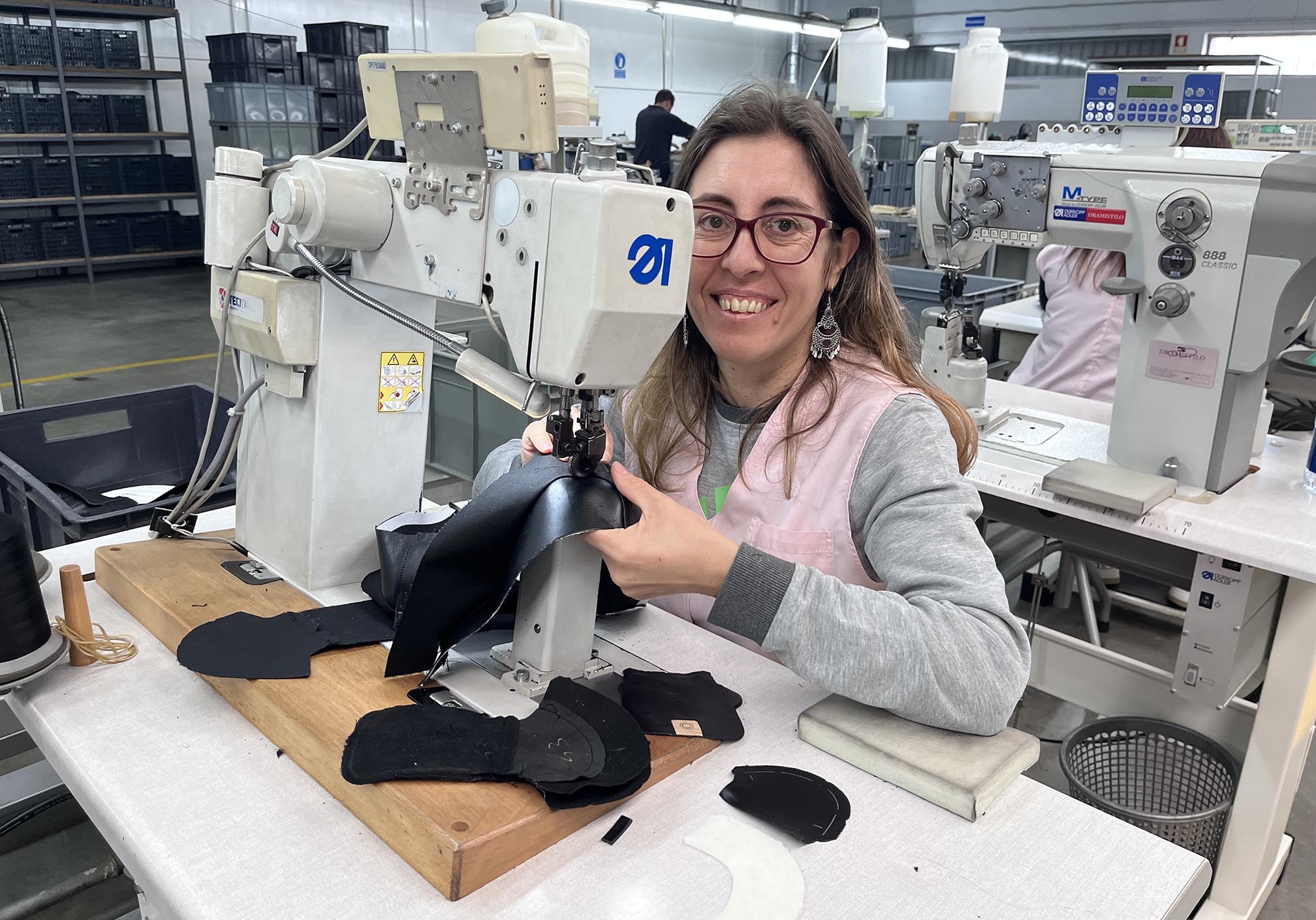
Proximity: Working like a family
By choosing to make our products locally, we create a sense of family and integration with our partners which we often know by name and can put a face to. We know exactly who to contact to try a new idea or solve an issue.
This gives us the ability to oversee the work in person while promoting a sense of collaboration and togetherness that wouldn’t be possible otherwise. By working closely together, we can ensure our standards are met, as well as also lift each other up in good and bad times.
It also allows us to experiment more freely, prototype thoroughly and make our productions as tailored to our wants and needs as possible – a luxury only available to those who work in full collaboration.
As a Portuguese brand, we prioritize working with small local businesses, ensuring fair and ethical practices. By supporting them, we help sustain and grow their activity, contributing to a stronger and thriving local economy.
With this, we contribute to the preservation of traditions and crafts while also humanizing our production and ensuring we get as close to our planned end product as possible.
Sustainability: A Local Choice That Reduces Impact
Beyond fair wages and working conditions, local production reduces environmental impact. Transporting goods from one continent to another requires vast amounts of fuel, packaging, and resources. When you buy a product made in Portugal, you’re cutting down on unnecessary emissions while supporting a more localized economy.
Additionally, many Portuguese manufacturers prioritize natural, sustainable materials – just like we do! Our barefoot shoes, for instance, use only eco-friendly materials, avoiding synthetic components that contribute to pollution. Choosing responsibly made products means choosing a better future for the planet.
Why Does It Cost More? Understanding the Price Difference
A common question people ask is:
“Why should I pay more for something made in Portugal when I can get a cheaper alternative elsewhere?”
The answer is that ethical production comes with a price. When you pay for a product made in Portugal, you’re not just paying for the item itself – you’re paying for:
- Fair wages for the people who made it
- Safe and regulated working conditions
- High-quality, durable materials
- Sustainable, environmentally friendly practices
- Support for local economies and artisans
In contrast, mass-produced goods may be cheaper, but their hidden costs – worker exploitation, environmental damage, and lower durability – are far greater in the long run.
Making better choices for the present and the future
For us, “Made in Portugal” is more than just a location tag. Local production is an investment in a culture, a community, and a way of life. It means contributing to keeping alive a tradition of handcrafting that has been a source of national pride for centuries.
For parents and environmentally conscious consumers, this choice is even more significant. It means providing your family with products that are safer, healthier, and ethically produced while setting an example of responsible consumerism.
While not all “made in Portugal” products are created equal, and there are differences to be aware of among different industries and company sizes, This label generally represents a commitment to fairness, quality, and sustainability – values that should be at the core of every brand’s ethos and purchasing decision.