It is in the rural North of Portugal, more specifically near Barcelos, where the fields sprawl and the cocks sing incessantly, that we find Sr. Abílio, He is a very talkative man who proudly states he was born on a notable date – the day the UN signed the Human Rights Treaty and abolished slavery formally.
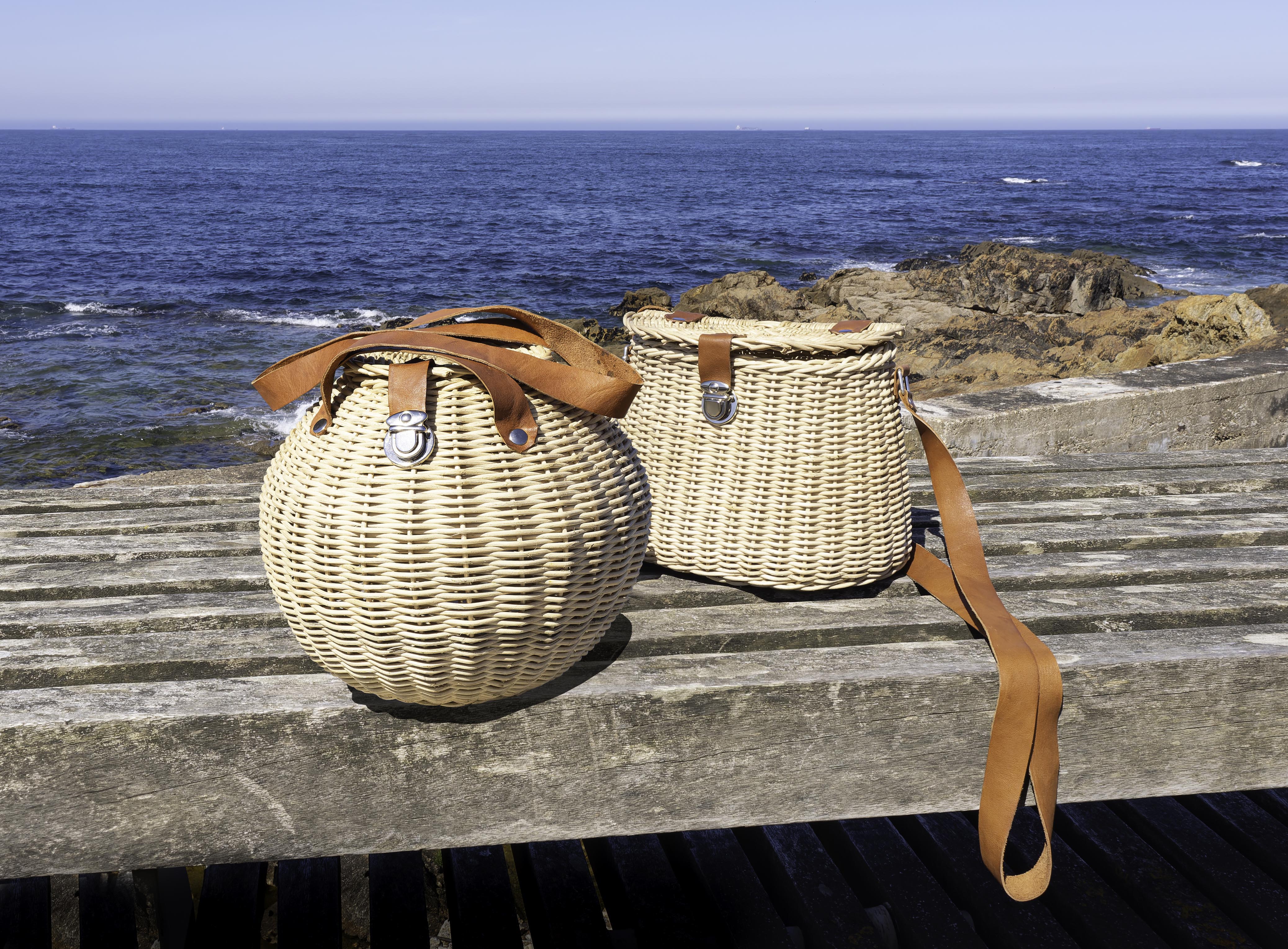
Sr. Abílio is a basket maker, a profession that, in his own words, has little future in a world where people do not pay as much attention to the traditional arts and crafts, often reducing a whole culture to figurines and magnets often mass-produced overseas. More than just making baskets, however, he is a master of wickerwork, who makes truly unique pieces from work baskets to accessories and even furniture.
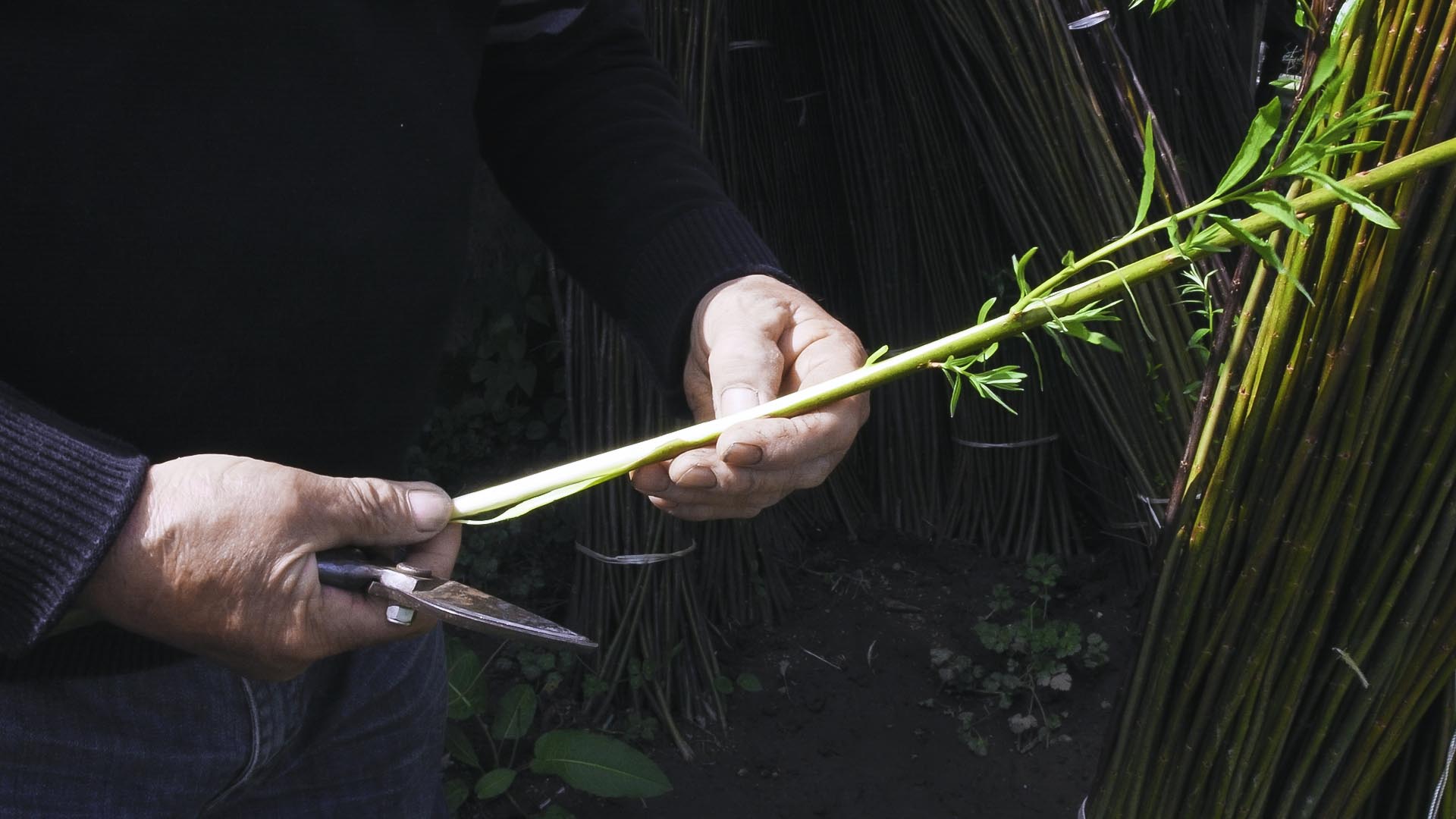
While the activity is not what it once was and there are several machines and processes involved in the process, Abílio has a good grip on the production of his pieces, since he fully prepares the raw materials for production – a process we were lucky enough to be able to follow and document when we visited him for this interview.